Thought so.
Long ago and not so far away, I sat across from Fox Sports and Fox Entertainment VPs who were fascinated with the idea of 3DTV. X-Files viewership was second only to the Super Bowl, and Fox was salivating over the next great height for the series.
We had all the answers. Having produced a 3D short film that played in CA theme parks, partnered with a well-funded LCD 3D headset manufacturer, and generated a series of plot lines that would push the immersive potential of dimensional content to the extreme, the room was electric with excitement and an almost palpable expectation that we were there to get the deal done.
Then something surprisingly surprising happened - a mid-level exec posed a simple question: “We average 20 million viewers per episode of the show. How are we going to get them all $25 glasses before release?”
The room went quiet. Gulp. We had been at this for 6 months and all sides assumed the other guy was footing the bill. It was as if the excitement for the technology had hypnotized even the most sensible among us into forgetting basic business logic - not to mention basic common sense.
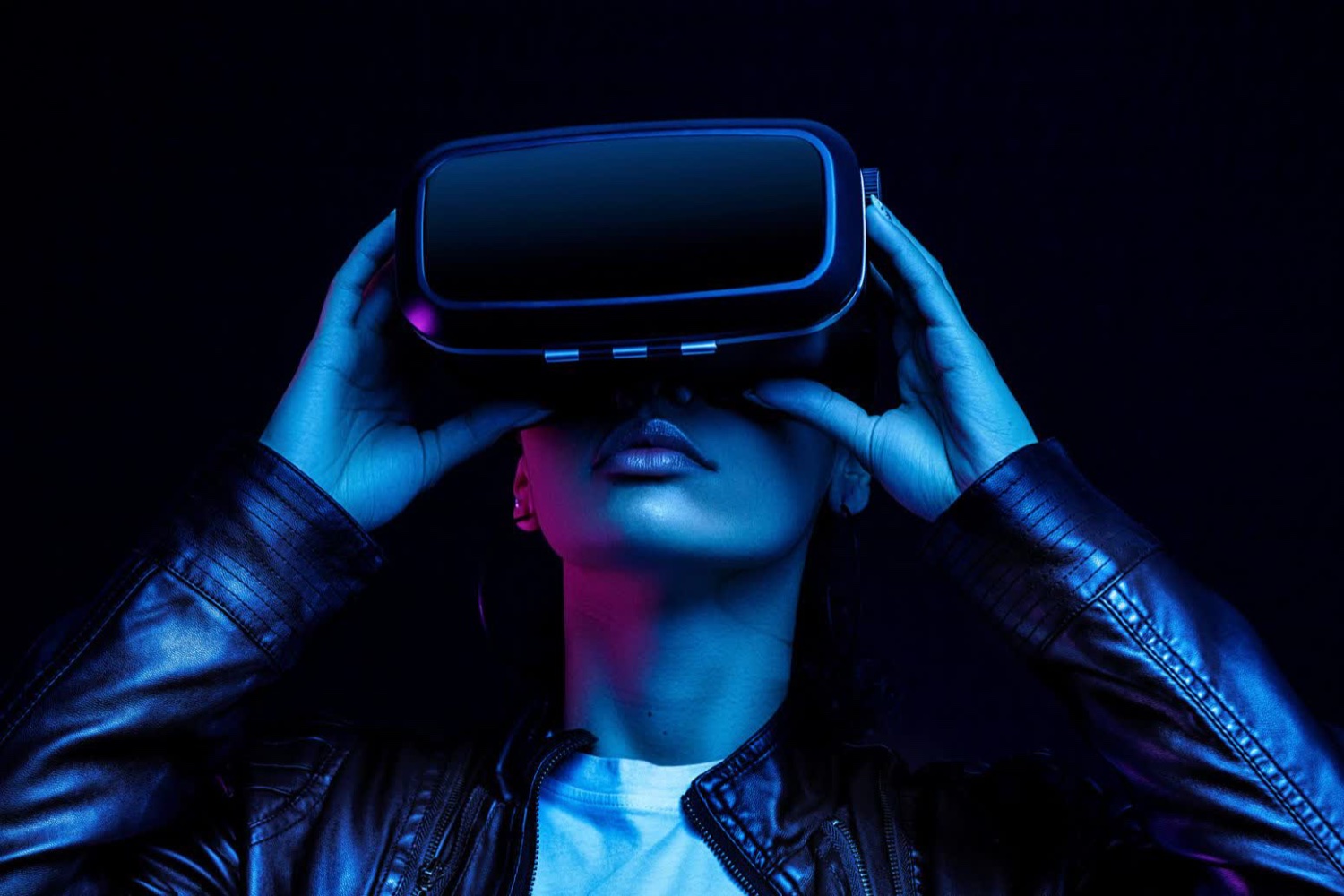
Years later I was hired to create a series of 360-degree videos. After all, Google, Oculus, HTC, Microsoft, cash-rich startups like Jaunt, and many others could not be wrong. We produced great content, layered in nuggets of experiential delight that made us think surely audiences around the world would soon find themselves unable to imagine a life without a phone strapped to their face.
But that was the problem. They had to have a phone strapped to their face. Suffocating their sweaty brows, fogging up the lenses, and making them desperate for air as if held under a pillow by a summer-night cat-burglar.
Now, the 3rd (or 4th or 5th, or 10th) iteration of this great push for immersion is upon us with the dream of the Metaverse. Of course, interaction design, display technology, and user experience design have come a long way since then. But sometimes when I read these prophetic scripts for future experiences, I wonder if we aren’t heading down a similar road. So far, it seems the corporate dream has been so top-down that the majority of its users couldn’t stomach the experience.
About 6 years ago, I read and fervently shared a book by Nir Eyal called “Hooked” that was a cookbook for building addictive apps. Ironically, this week I bought his latest book called “Indistractable,” whose premise is basically helping users defend against all the things he taught us to do 6 years earlier.
As much as I love technology and creating amazing user experiences, I am pulling more for the “real” than the virtual - that this iteration of “immersive” includes helping so-called users live their lives in a way that enriches them with memories that connect with the people they care about in the real world and manifest into things to be proud of. “Really.”